Many hands.
The work on Yankee is carried by many people, in amounts large and small, and in more ways than money. No single gift and no single person decides whether she is finished. Here is how to take part.
Give.
The work is paid for one stage at a time, and each stage begins when its cost is in hand. The first stage opens her up, so that the yard can see her whole structure and plan and price everything that follows. Its goal is $75,000.
A gift goes to work when its stage is funded, and a gift that arrives after a goal is met carries forward to the next.
Gifts are tax-deductible to the extent the law allows, and each is acknowledged in writing. Every stage ends with a dated public account of what was done, what was found and what it cost. Supporters’ names will be engraved in the boat herself, and no name is published without consent.
Other ways to give.
By check.
Make the check payable to [payee name to be confirmed] and write “Yankee” in the memo line. Mail it to [mailing address to be confirmed].
By bank transfer.
The Foundation banks with Bank of Marin, and the account takes ACH transfers and wires directly. No processing fee comes out of the gift. Write to us and we will send the transfer instructions.
Through your employer.
Many Bay Area employers match gifts or run workplace giving through Benevity. Our listing there is pending, and we will say here when it is open. [Name to search for in an employer’s giving portal, to be confirmed.]
Stock and donor-advised funds.
Gifts of appreciated securities and grants from donor-advised funds are welcome. Write to us for the brokerage details or the listing for your fund.
Materials and services.
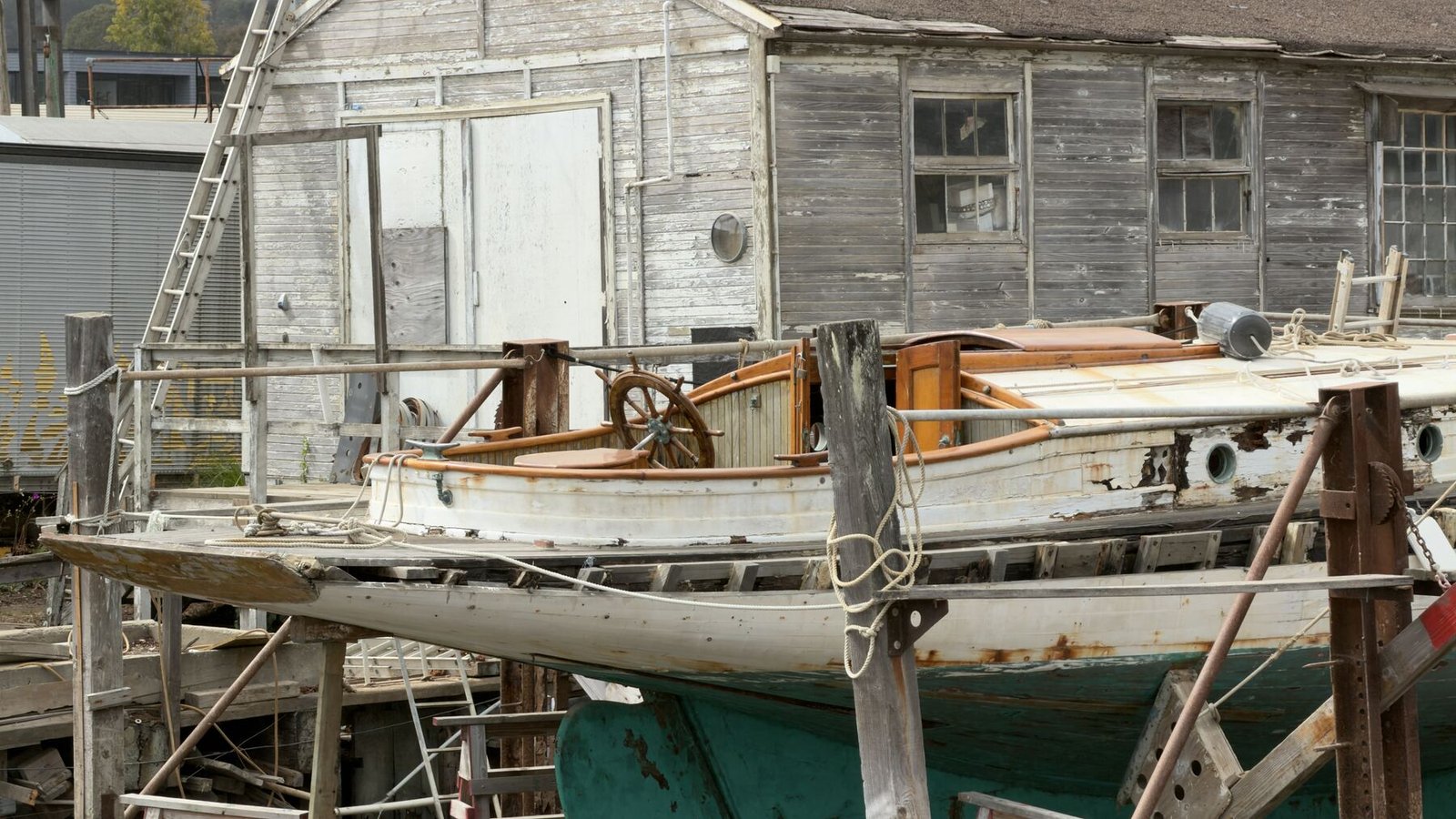
Timber, materials, tools, storage and professional services are welcome too. Each is counted against the cost it replaces, and each reduces what has to be raised.
A larger commitment.
A larger commitment can bring a later part of the work forward. We would be glad to talk it through, with our working figures on the table. The same goes for a bequest.
What a gift brings.
A draft schedule, being finalized with the board.
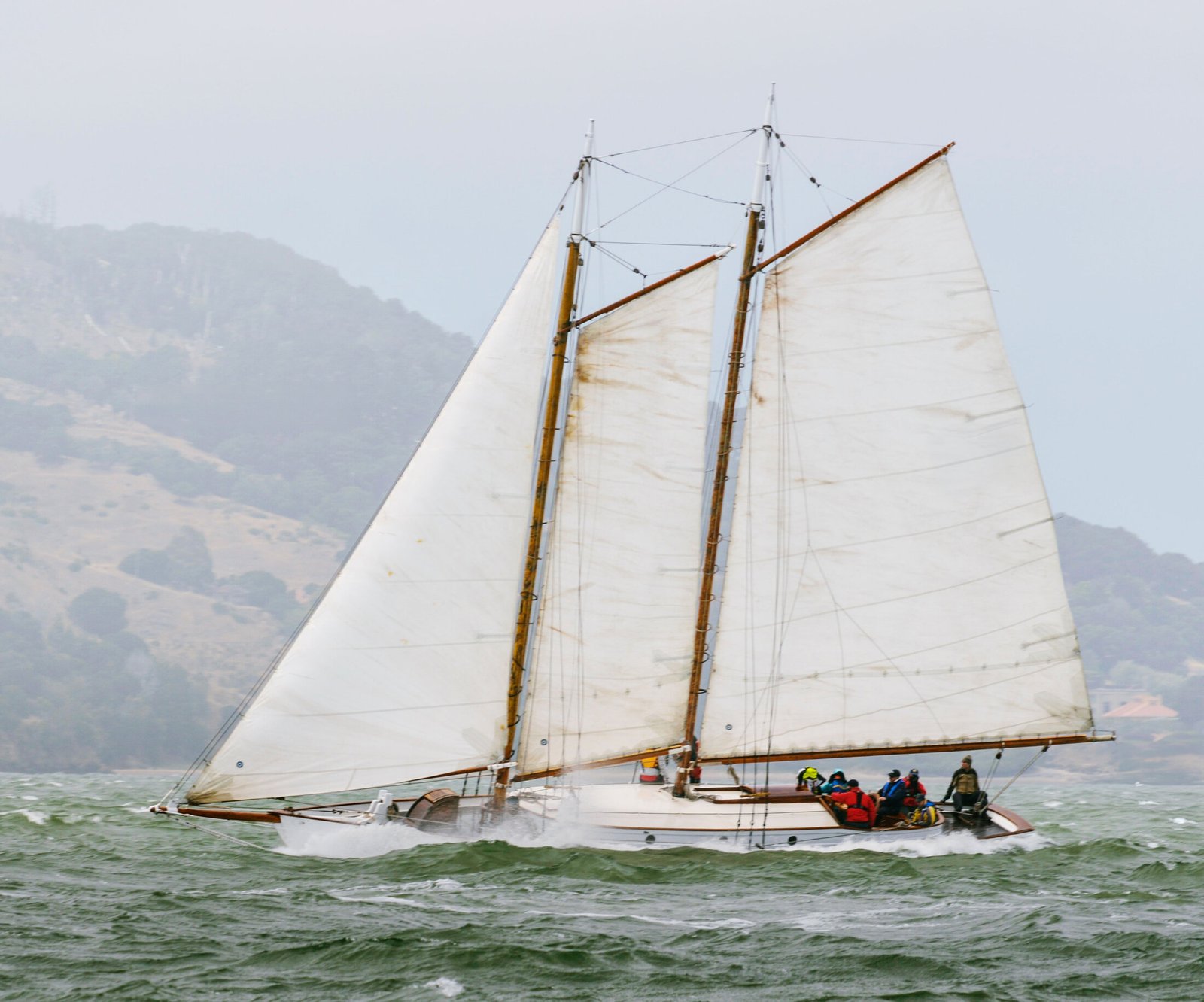
Gifts are recognized in the boat herself. Supporters’ names will be engraved into her fabric, on parts such as a frame, a butt block, the keel or the bulwarks. The levels below are the schedule as it stands today. Each level includes everything in the levels before it.
| Level | Gift | Benefits |
|---|---|---|
| Fastenings | $250 and up |
|
| Planking | $1,000 and up |
|
| Knees & Frames | $5,000 and up |
|
| Keel Circle | $25,000 and up |
|
| Masthead | $50,000 and up |
|
You decide how your name reads: a family name, a name in memory of a shipmate, or no name at all. No name is published without consent. Gifts made over time are counted together toward a level.
The rebuild in brief.
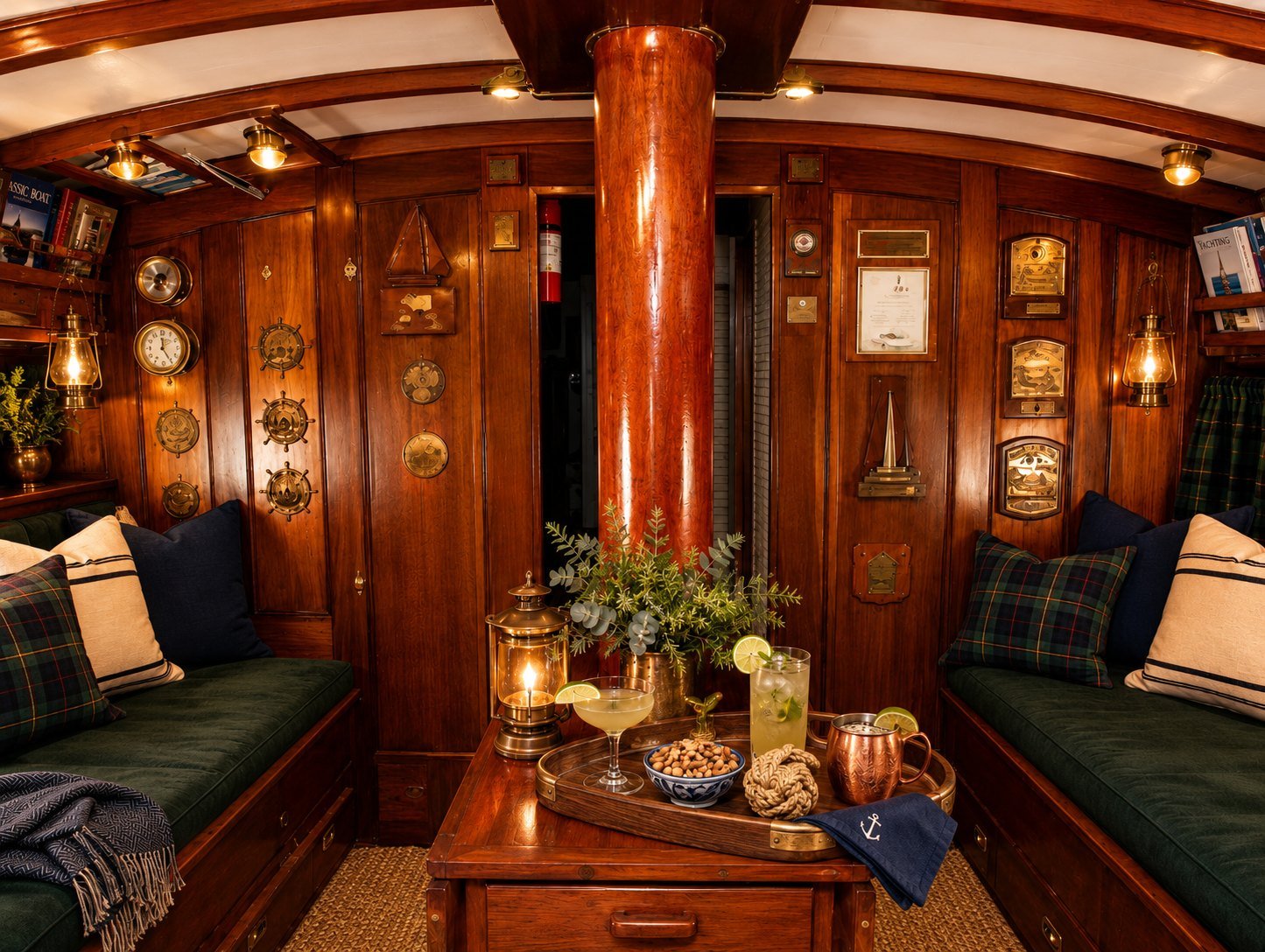
This is more than a refit and it is not a new boat. Yankee is rebuilt from her own structure, on the keel she was launched on and to the shape she has always had. Her frames have held her hull to that shape and kept her planking tight, which is why she can be rebuilt at all. Every one of them is now replaced, and she is given a new deck and a new cabin house. The work is done at Richardson Bay Boatworks in Sausalito by the yard’s shipwrights.
It runs in six stages. Each has a result that can be seen and a safe place to stop at its end.
-
Open her up.
Goal: $75,000
Her interior comes out, labelled and stored, and her deck hardware is recorded and removed. The yard can then see her whole structure, measure her shape, and plan and price the next stage.
-
Backbone.
Goal set when the yard has priced it
A sound backbone from stem to stern, for the new frames to stand on.
-
Frames and planking.
Goal set with the yard, and met in steps
The heart of the rebuild and its longest stage. New frames go in and are tied to the keel, and the hull is planked and closed.
-
Deck, cockpit and cabin house.
Goal set with the yard
A new deck on new deck beams, a new cockpit, and her cabin house rebuilt.
-
Close-out and launch.
Goal set with the yard
Her hull is faired, caulked and painted, and she is launched.
-
Rig, engine and first sail.
Goal set when the stage is planned
Her spars are stepped, her rigging is set up and her sails are bent on. The engine goes in. Then she sails.
Only the first stage has a figure, because it is the only one that does not depend on what is found inside her. Each later goal is published when the yard has priced that stage. The yard may divide the later stages differently as it learns more, and when it does we will publish the change.
The aim is a schooner that sails and races on this Bay for another hundred years.
Join her crew.
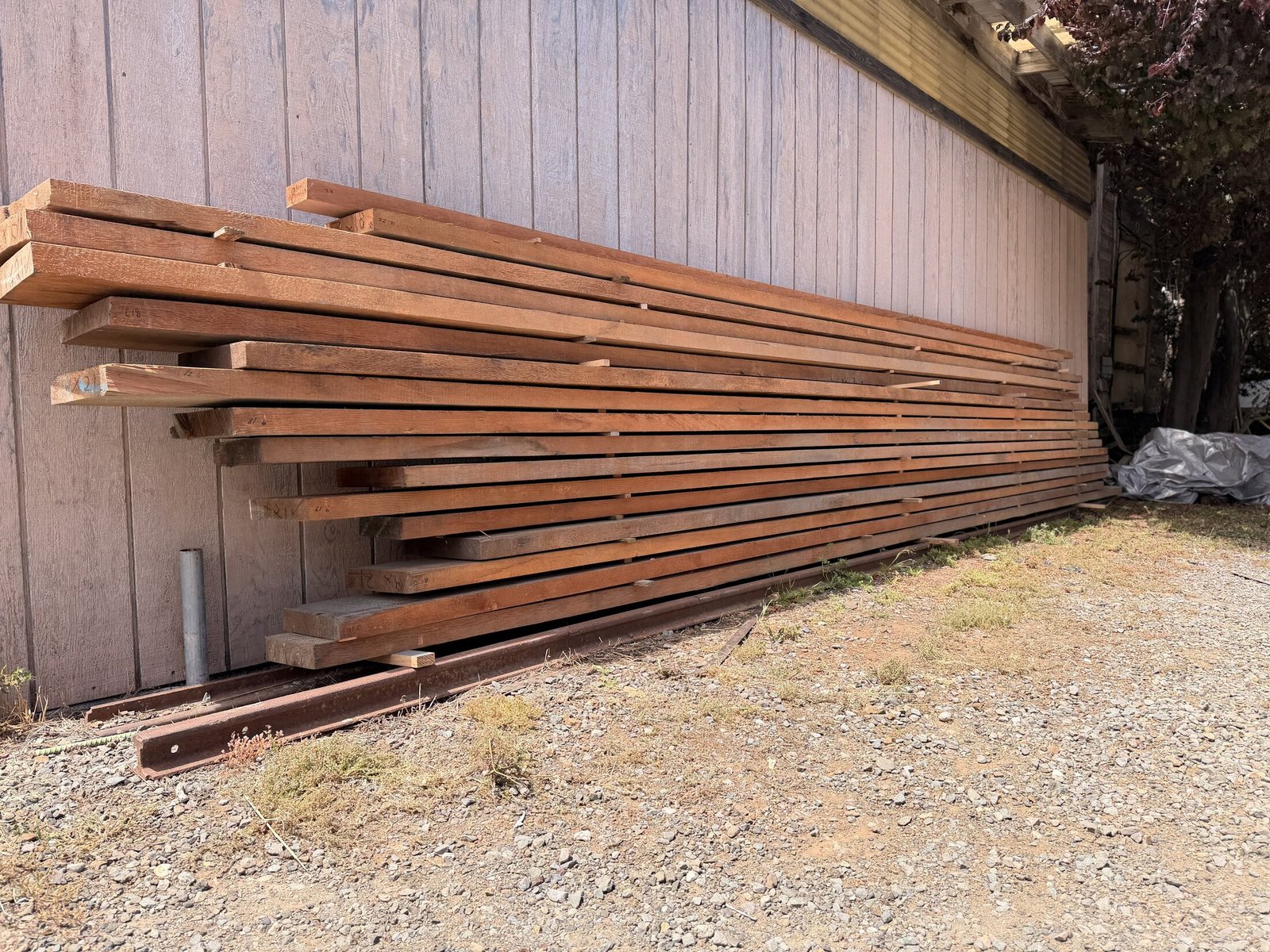
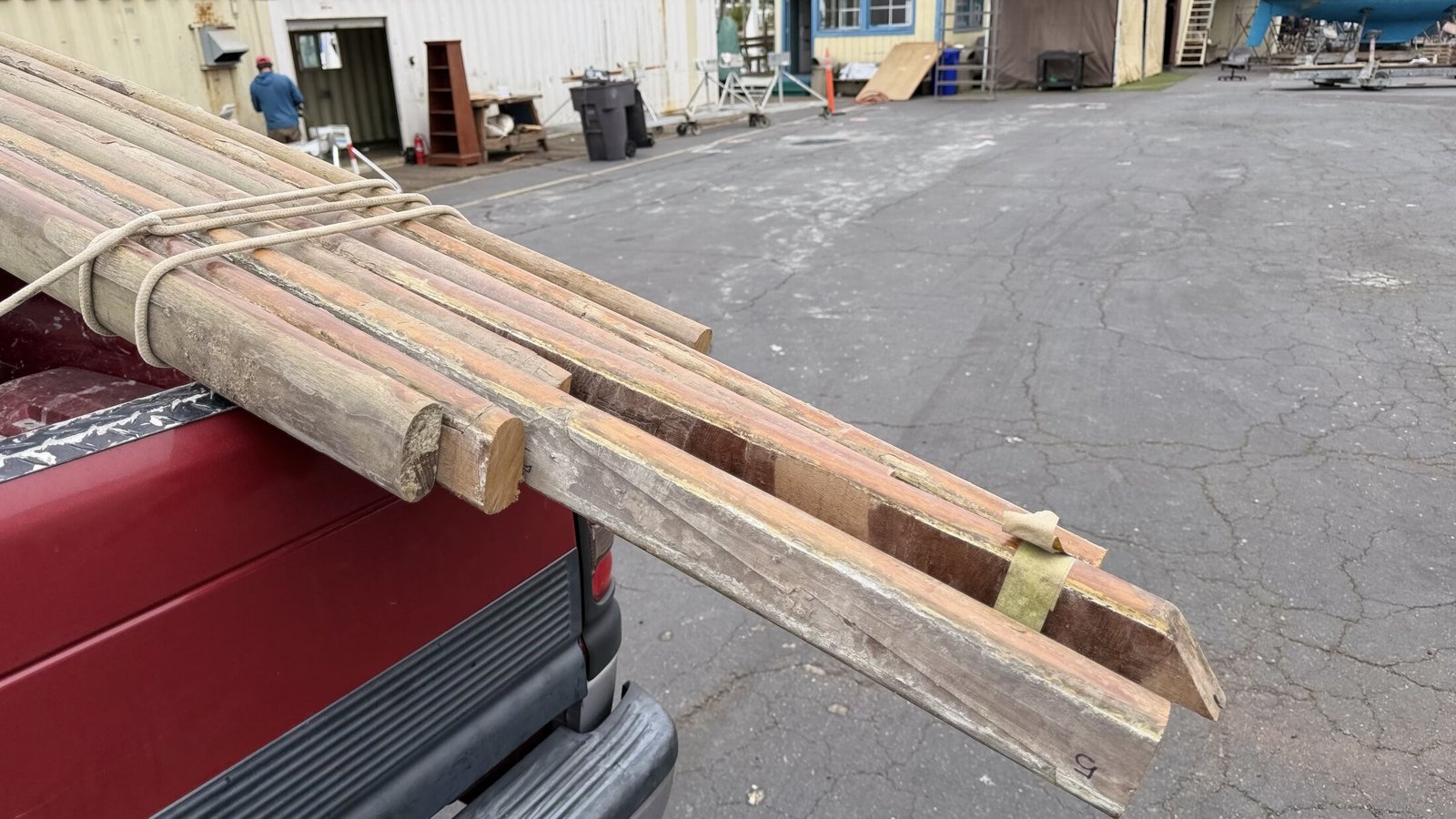
The structural work at the yard is done by the yard’s shipwrights. What follows it is work for willing hands, and there is a great deal of it: renewing her interior, stripping and varnishing her spars, rails and hatches, and setting up her rig. Around the boat there is research in her archive, photography and film, events, and the telling of her story.
The work around the boat is open now. Work on the boat herself begins once the structure allows it, and we will say when. The Foundation’s board are her first volunteers. The gathering of her gear and the sorting of her record this year were their work, and they will be working alongside everyone who joins them.
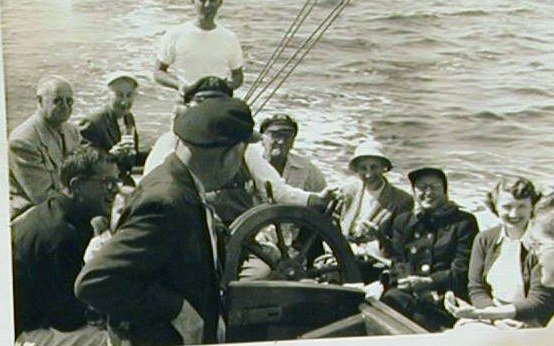
She carries a large gaff rig and has never had a winch aboard, so she is sailed by hand, by people working together. She will need a large and practiced crew, and people willing to become one. Learning her, and teaching the hands who come next, is work that does not end. Tell us if you want to sail in her. We keep the list and we will call on it.
Follow, and come and see her.
The Logbook is our running account of the boat and the work. Read it, take it by email and pass it on.
She is at the yard in Sausalito, and visits can be arranged. Richardson Bay Boatworks is a working boatyard, so please write to us first.
The Golden Gate Wooden Boat Foundation can be reached through ggwbf.org.